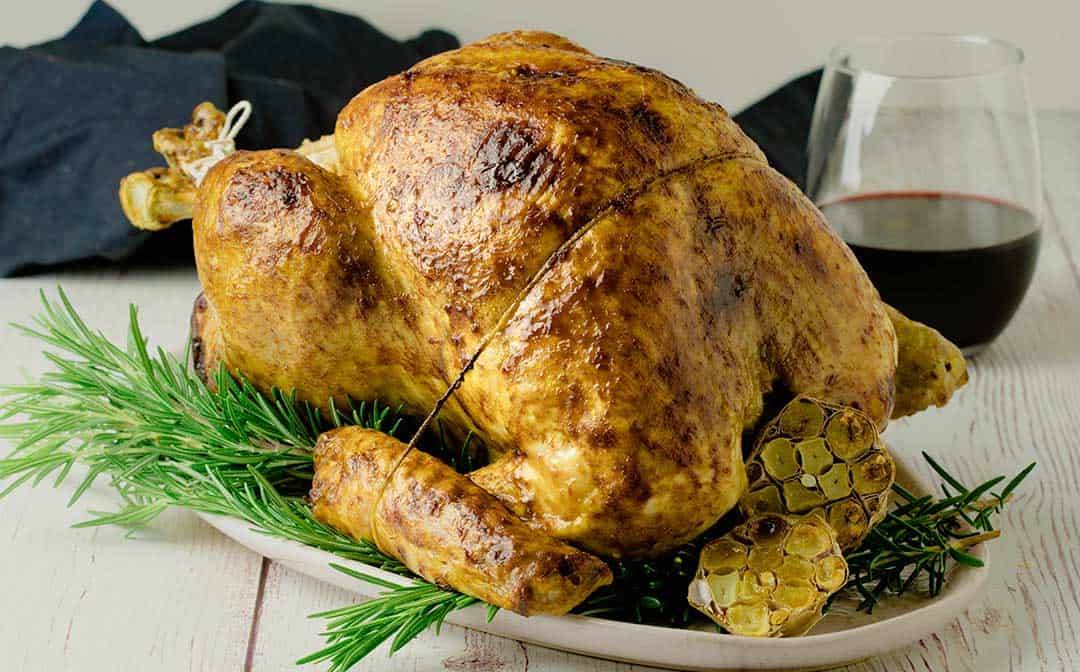


Steam oven roast turkey is one of the most impressive things you can put on a Thanksgiving or Christmas table — and this method makes it more reliable, more forgiving, and considerably faster than conventional roasting. The technique is a two-step process: a gentle steam phase first, followed by a hot dry roast to cook through and crisp the skin. The result is turkey that’s deeply juicy throughout, with a beautifully glazed, mahogany-brown exterior.
The maple glaze here is one I’ve been using for years. It gives the skin a gorgeous color and a balance of sweet and savory that’s hard to argue with. You can substitute your own favorite glaze without changing the method at all.
I’ll confess that I don’t actually roast a whole turkey very often at Christmas. Australian Christmases tend to be extremely hot, and the idea of a large bird heating the house all day doesn’t appeal! But for many of you in the Northern Hemisphere it’s a crucial Thanksgiving and Christmas tradition. I know from roasting many turkeys for Christmas in July (when it is actually winter here!) that this method consistently delivers amazing results that make the effort worthwhile.
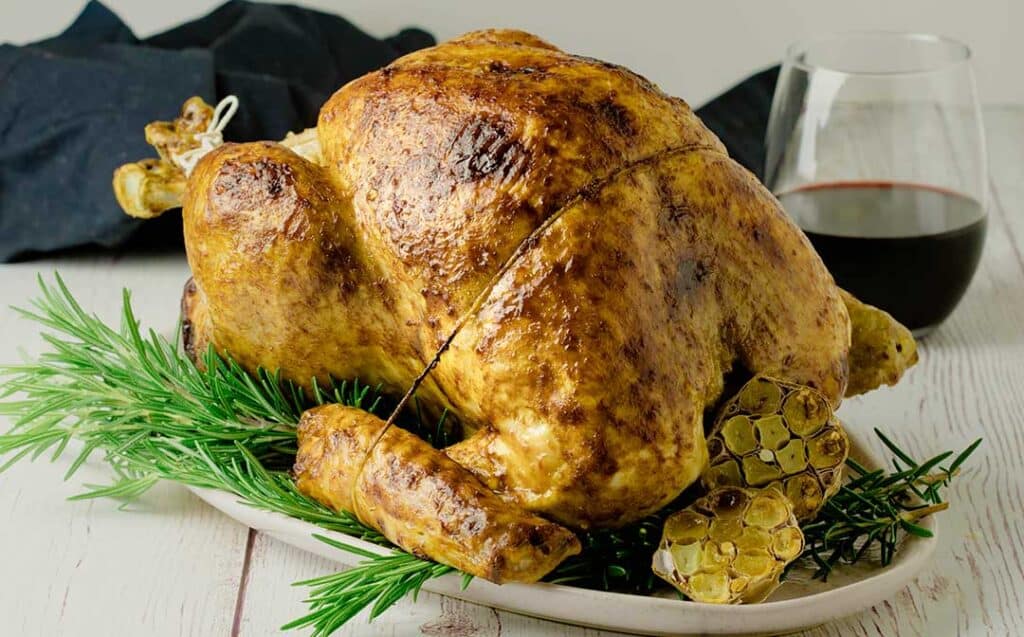
Why steam oven roast turkey works so well
Turkey is not chicken
This sounds obvious, but it matters. When a turkey arrives in your kitchen ready to cook, it might look like an oversized chicken. The cooking behavior is quite different, though.
Turkey meat is denser and more fibrous. It’s notoriously difficult to keep moist, particularly the white breast meat. In a conventional oven, the breast is fully cooked well before the dark leg meat. The larger the bird, the more pronounced this problem becomes.
The steaming phase in this recipe addresses that directly. Steaming the turkey gently at a low temperature keeps the breast moist, while the dark meat begins to cook through. By the time the bird goes into the higher dry heat for roasting, it’s already close to being evenly cooked throughout, and you end up with juicy meat all over, even in the breast.
Steam oven turkey cooks faster
If you’ve been using a steam oven for any length of time, you’ll know it significantly cuts cooking times. An 11 pound (5kg) turkey cooked on a straight combi steam setting can be done in just over an hour. Yep, less than half the conventional time.
This method, which uses steam then dry heat, doesn’t cut down on time quite as dramatically, but it produces the best results. You’ll still save around a third of the conventional roasting time, though. That’s significant when you’re managing a whole festive meal and oven space is at a premium.
As an Amazon affiliate I earn from qualifying purchases. This post may also contain other affiliate links, which means I may earn a commission if you click through and make a purchase, at no additional cost to you.
Temperature is everything when roasting turkey
This cannot be overstated. The single most reliable way to cook perfect turkey — in any oven — is to cook to internal temperature rather than to a fixed time.
Cooking times vary between oven models. Humidity levels, temperature accuracy and oven size all affect how long a given bird will take. Time is a guide; temperature is the goal.
You want the thickest part of the turkey — the meat between the breast and thigh — to reach 163–169°F (73–76°C) when you pull it from the oven. As it rests, the temperature will rise to around 180–185°F (82–85°C). That’s perfectly cooked turkey. An instant-read thermometer is not optional for this recipe — it’s essential.
Steam oven roast turkey: ingredients and substitutions
See the recipe card further down for full method and ingredient quantities.
- Turkey: The recipe is written for a 9lb (4kg) bird. This size fits in most compact steam ovens and serves around 8 people generously. You can go up to around 15lb (7kg) in a compact oven but you’ll need a full-sized steam oven for anything larger. Adjust the steaming time for a larger bird: increase to 1 hour for birds over 15lb. A fresh, free-range or organic turkey will give noticeably better flavor and texture than an intensively farmed one. It’s worth the extra cost for a special occasion.
- Salt: Used to season the skin and cavity before steaming. Be generous — salt on the outside of a well-steamed bird draws moisture back in rather than out, and the flavor improvement is significant.
- Butter: Softened, rubbed all over the outside of the turkey at the start of the roasting phase. It contributes to browning and flavor in the pan drippings.
- Maple syrup: Use real maple syrup, not imitation. It’s the backbone of the glaze and the flavor difference is significant.
- Dijon mustard: Adds sharpness and depth to balance the sweetness of the maple.
- Cider vinegar: Just a small amount, to brighten the glaze and prevent it from being too sweet.
- Garlic powder and smoked paprika: The savory and smoky elements of the glaze. Together they give the skin its deep, burnished color.
- Cayenne pepper: Optional. Adds a gentle background heat that balances the maple. Leave it out for a more family-friendly result.
- Aromatics (optional): Carrots, celery and onion can be placed in the pan alongside or under the turkey during the roasting phase. They add flavor to the drippings and make a better base for gravy.
Steam oven turkey variations
- Alternative glaze: Substitute your own favorite turkey glaze without changing the method. Herb butter, honey mustard, or a simple garlic and thyme butter all work beautifully with this technique.
- Steam-only oven: If you have a steam-only oven rather than a combi steam, complete the steaming phase as directed, then transfer the turkey to a conventional oven preheated to 350°F (180°C) for the roasting phase.
How to roast turkey in a steam oven – step by step
View, save and print the recipe card further down in this post; read on for the visual walk-through.
1. Prepare the turkey
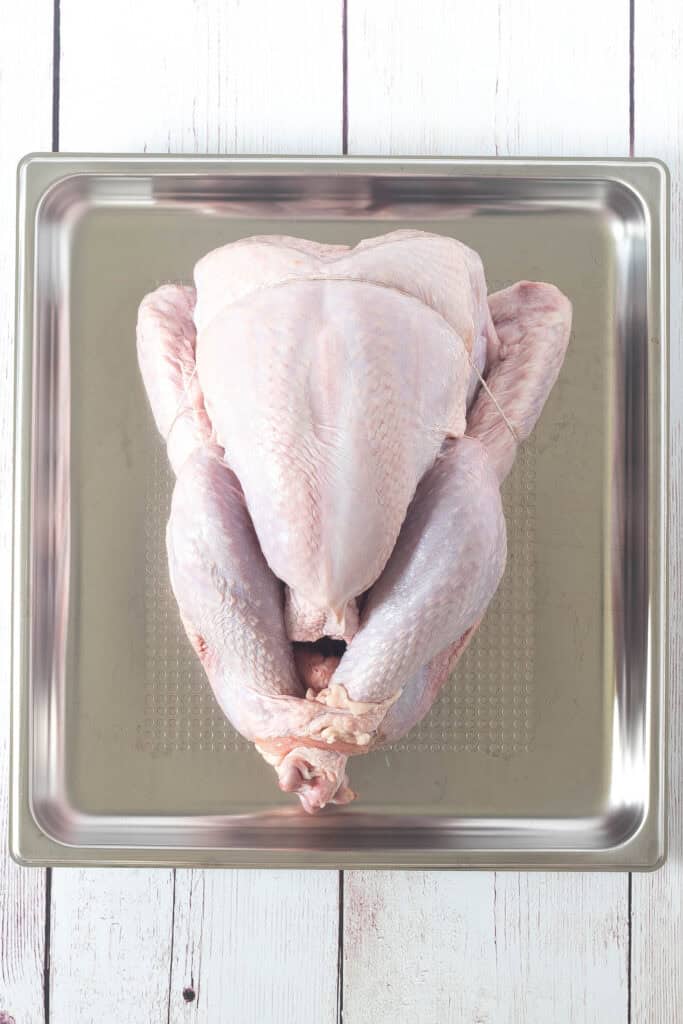
Remove giblets and neck from the cavity. Pat the turkey skin thoroughly dry with paper towels. Rub salt generously all over the outside and inside the cavity — use about a tablespoon of fine salt for a 9lb bird. Tie the legs together with kitchen twine, then tuck the wings under the body and secure with another piece of twine to keep everything neat and compact.
2. Steam the turkey
Place the prepared turkey on a wire rack or perforated tray, with a solid pan underneath to catch drippings. Put it in the oven on the steam-only setting. A cold start is fine here. Steam for 40 minutes. The turkey won’t look or smell particularly appealing at this point — that changes in the next step.
3. Make the glaze
While the turkey steams, whisk together the maple syrup, Dijon mustard, cider vinegar, garlic powder, smoked paprika and cayenne (if using). Set aside.

4. Roast the turkey
Remove the turkey from the oven. Change the oven setting for the roasting phase. If you’re transferring to a conventional oven instead, preheat it to the same temperature. Rub the steamed turkey all over with the softened butter, then return it to the oven. Roast for 30 minutes, then brush generously with the glaze. Continue roasting, applying more glaze every 15 minutes, until the thickest part of the thigh meat reaches 163–169°F (73–76°C) on an instant-read thermometer. Total roasting time is typically 1½ to 2 hours depending on the size of the bird.
5. Rest the turkey
Remove from the oven and move to a warm spot to rest for at least 30 minutes before carving. Cover with a sheet of parchment paper (baking paper) topped with a clean dish towel — this keeps the heat in while allowing airflow, preventing the skin from steaming under foil.
Tips for success
Use a thermometer, not a timer. Ovens vary. Turkey sizes vary. The only reliable way to know when the bird is done is an internal temperature reading of 163–169°F (73–76°C) in the thickest part of the thigh. Start checking around the 1½ hour mark of the roasting phase.
Don’t stuff the turkey for a steam oven roast turkey. The stuffing is unlikely to reach a food-safe internal temperature during the steaming phase, and by the time it does in the roasting phase, the meat will be overcooked. Cook stuffing separately in a baking dish; it’s easier, safer and just as delicious.
If the skin is browning too fast, tent a piece of foil loosely over the top of the turkey. Check every 15 minutes and remove the foil for the final 20 minutes to re-crisp the skin.
If the pan drippings are starting to burn or smoke, add half a cup of water and check regularly. The drippings are valuable — they make the base of an excellent gravy.
Add aromatics if you want better gravy. A rough chop of carrot, celery and onion placed around the turkey during the roasting phase will enrich the pan drippings significantly. Remove before serving.
Consider your oven’s cleaning function. Turkey is a messy roast. If your conventional oven has a pyrolytic self-cleaning function, it’s worth transferring the turkey there for the roasting phase. The cleanup is far easier than dealing with a steam oven splattered with maple glaze and fat!
Don’t skip the resting of the cooked bird. Thirty minutes minimum. The temperature continues to rise during this time and the juices redistribute through the meat. Carving too soon makes a significant difference to how juicy the finished turkey is.
Serving suggestions
The pan drippings from this turkey make an excellent light sauce or the base for a proper gravy. Strain them into a small saucepan, skim off the excess fat if needed, and either serve as is or thicken with a little cornstarch (cornflour) mixed with cold water.
If you’re building a full Thanksgiving or Christmas spread around this turkey, I’ve got plenty of beautiful recipes to draw from! Sausage and herb stuffing is a natural partner. It’s pan-baked rather than stuffed inside the bird, which is actually the better option for both flavor and food safety. Easy potato rolls are wonderful on the table alongside, and a brussels sprouts casserole rounds out the vegetables beautifully for anyone who wants something a little more substantial than plain roasted greens. For dessert, mini pecan pies are a crowd-pleasing Thanksgiving classic, and individual steamed Christmas puddings are the natural finish to a traditional Christmas meal. And, if a whole roasted bird feels like more than you need, my sous vide turkey breast with herbs and garlic is a wonderful alternative – significantly less effort with equally impressive results.
Leftovers keep well, refrigerated for up to three days. Cold steam oven turkey is exceptionally good – it’s far more moist than conventionally roasted turkey, and makes excellent sandwiches, salads and soups.

Frequently asked questions about steam oven turkey
Can you stuff a turkey cooked using this method?
I’d advise against it. During the steaming phase, the cavity doesn’t get hot enough to bring the stuffing to a safe internal temperature in the required time. By the time the stuffing is safely cooked in the roasting phase, the meat is likely to be overcooked. Cook stuffing separately — it’s safer, and honestly just as good.
Can you add aromatics to the pan?
Yes. Place roughly chopped carrot, celery and onion either under the turkey or around it in the pan during the roasting phase. They contribute flavor to the drippings and make a much richer base for gravy.
Can you use this steam oven roast turkey method with a brined turkey?
Yes. Wet brining before cooking is not necessary, but it is compatible with this method if that’s your preferred turkey-roasting thing. Pat the bird thoroughly dry after brining, then proceed with the salting and steaming as directed. I would recommend going lean on the salting though, given the brining will already have added salt to the meat.
Can you make gravy from the pan drippings of steam oven roast turkey?
Absolutely. The maple glaze caramelizes into the drippings during roasting and produces a deeply flavored base. Strain, skim and use as is for a light jus, or thicken to a proper gravy. The seasoning is balanced enough that the drippings work well without adjustment.
What if I have a steam-only oven, not a combi steam?
No problem. Complete the steaming phase in your steam oven, then transfer the turkey to a conventional oven for the roasting phase. The result is identical.
How does cooking time change for a larger bird?
For birds over 15lb (7kg), increase the steaming time to 1 hour instead of 40 minutes. The roasting time will also increase; use your thermometer rather than the clock to determine doneness.
Spread the word
If you’ve made and enjoyed this recipe (or any others on the site!), would you leave a review and rating? Reviews are incredibly helpful to other cooks, and help me understand the sorts of content you enjoy or questions you have. You can rate and review any recipe by clicking the star icons at the top of the recipe card.
How to Roast Turkey in a Steam Oven (recipe and tips)
Ingredients
- 4 kg whole fresh turkey giblets and neck removed
- fine salt
- 80 g butter softened
- 185 ml pure maple syrup
- 2 tbs dijon mustard
- 1 tbs cider vinegar
- 1/2 tsp garlic powder
- 1 tsp paprika
- 1/2 tsp cayenne pepper optional, to give the glaze a hum
Instructions
- Prepare your turkey: pat the skin dry with kitchen towel, then rub all over the outside and the interior cavity with salt. I used approximately a tablespoon’s worth of fine salt for this – you want enough to rub all over every part of the bird that you can get to. Tie the ends of the legs together with kitchen string, then tuck the wings under the body and use another piece of string to tie right around the turkey, securing the wings close to the body (see photograph below for example). The ‘wing string’ is optional, but it stops the possibility of the wing ends popping out from under the bird during roasting and keeps it all looking nice and neat.
- Put the prepared turkey on a wire rack or perforated tray, with a solid pan underneath to catch any juices and fat. Put the turkey into the oven and set it to 85°C/185°F using the steam-only setting (a cold start is fine here). Cook for 40 minutes.
- While the turkey is steaming, mix together the maple syrup, mustard, vinegar, garlic, smoked paprika and cayenne pepper, if using. Set aside.
- At the end of the steaming time, remove the turkey from the oven (it won’t look or smell very appealing at this point, but stay with me, because things are going to get a whole lot better soon). Change your oven setting to 180°C/350°F, convection-only (no steam), or switch to your regular oven if your steam oven doesn’t have standard oven capabilities. If you have a second oven with a pyrolytic cleaning function rather than a steam cleaning function, I’d recommend you switch ovens at this point anyway. Pyrolytic clean is going to make your clean-up job much easier.
- Rub the steamed turkey all over with the softened butter, and put it back in the oven. Roast for 30 minutes, then brush all over with the glaze and continue roasting, brushing with more glaze every 15 minutes, until the thickest part of the bird, in the leg meat just next to the breast, reaches 73-76⁰C (163-169⁰F) on an instant read thermometer. The roasting part of cooking should take somewhere between 1 ½ and 2 hours. If the turkey is browning too quickly during cooking, cover it with a tented piece of foil to protect the skin. If the juices are starting to burn in the pan underneath the bird, add half a cup of water and check regularly to see if it needs more.
- Remove the cooked bird from the oven and place it somewhere warm to rest for 30 minutes. You can cover it with aluminium foil for resting, but my preference is to cover with a sheet of baking paper and a dish towel, which will keep the heat in but allow better airflow so it doesn’t steam as it will under foil.
- You’re done! Present your beautiful turkey to the waiting crowd and pat yourself on the back for a job well done. I feel very strongly that my part with the turkey is played once I’ve gone to the trouble of buying and cooking it, and I want nothing to do with the carving and serving. If you adhere to the same theory, you can give that honour to your most esteemed guest or family elder.




29 Responses
I’m wet brining my 5kg turkey in advance according to Nigella’s recipe. I have a Neff Combi Steam Oven – is there any reason the above approach of steaming and roasting won’t work with a wet brined bird? Wondering if it will be TOO moist?
Thank you.
That’s a very good question! Does the butter eventually run out of the cheesecloth and pool in the bottom of the roasting pan? If so, I think I’d still baste for color and flavor.
I’m planning to use my Wolf CSI for my (8-12#) Thanksgiving turkey – For the past ‘million’ years I’ve covered it with cheesecloth soaked in butter and basted it during the conventional oven cooking … What would happen if I did the cheesecloth thing in the CSI? I assume I wouldn’t need to baste? Want the butter flavor without the sugar/mustard etc.
Thanks
Yes, you definitely can. It’ll melt and start to pool under the turkey during steaming, but you can still use that to baste, and enough of it should stay under the skin to flavor and moisten the breast meat.
Hi. Using the conventional roasting method I typically massage a paste of butter and herbs underneath the turkey skin. Could I still do this at the beginning of the steaming portion without any issues?
Thanks
Thank you for these instructions. I had a 12lb Turkey Breast and used these as guidelines and got great results.
One should first confirm that their roasting pan will fit in the stream oven. While the Thermador double oven with stream has one of the largest capacities, our larger roasting pan didn’t fit (darn pan handles). We switched to a smaller pan and even that had to be put in on a bias for the steam mode. Also with the Thermador the knobs only allow 25 degree increments so I did steam @ 200 for 40 mins. I then switched the bird into the lower oven for standard convection which I did at 325 because we had some guests running late. I later bumped it up to 350 and it got to temperature quite quickly. If you do a breast only, you don’t need to go all the way up to 165. I took ours out at 155 and let it sit for 40 mins.
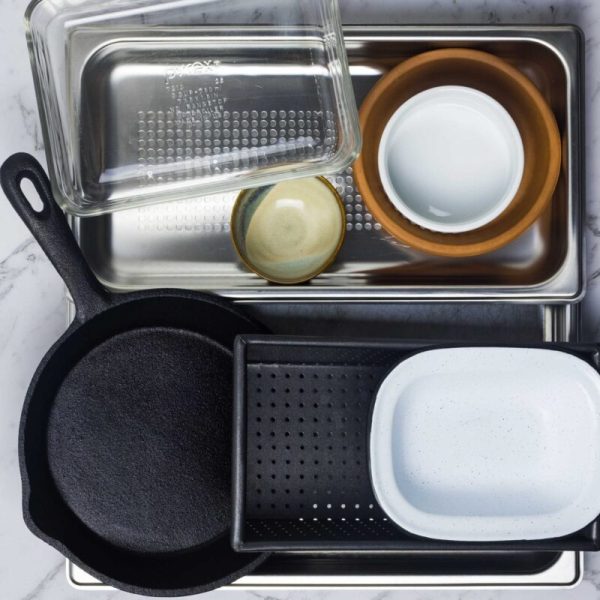
I mix and match when it comes to roasting and cooking pans, but this will give you a good starting point! https://steamandbake.com/the-best-cookware-to-use-in-a-steam-oven/
Hi! Can you please tell me which cooking pans you use? Christmas is coming and it’d be a great gift idea. I see you use USA Pans for baking, but couldn’t see a link for your roasting / cooking pans. Many thanks 😊
Hi, unfortuantly this did not help me change my Steam region to Turkey even after following all the steps. I have now executed a full Turkey Bird for no reason. However, it did taste good. 10/10
I assume that’s an autocorrect for alter – if so, there is generally more drippings when you do your turkey this way because of the moisture involved in the cooking process. That’s not a terrible thing, but you won’t get the charred bits on the bottom of the pan as you often do with a traditionally roasted turkey. Reducing the drippings in a pan after the turkey’s done is fine, though, and the flavor will be lovely.
How does this recipe after the turkey drippings?
Used this recipe for our Christmas Turkey The whole family agreed best Turkey they had ever eaten , The process was easy, and cooking in a disposable foil tray made for easy clean up. Can’t recommend this highly enough!
I used my new Thermador steam oven to roast a turkey for the first time last week. I know this comes too late to help most of you this year, but here’s what I did. I had a 25 lb turkey fully stuffed. (I have a large family and turkey pickings were slim at the store this year). I was shocked that it fit, but it did. I cooked it at 325. Had meat thermometers in the thigh and breast (Thermador meat probes don’t work on steam settings, so I used external). I had no real idea of how long it would take to cook. Turns out it took 4-1/2 hours. Took it out when the probes read 165 in the thigh and 160 in the breast. Tested the center of the stuffing and it registered 160. Covered it and let it rest about 10 mins and then checked it again. Center of stuffing was 165, which is the recommended safe temp. (I was prepared to scoop the stuffing out and let it finish baking while the turkey rested, but it tuned out not to be necessary.). Let it rest another 30 minutes and then carved. I did open the oven a couple of times near the end to baste the top of the dressing because it looked like it was burning a little. Probably because the turkey was so huge. Hands down the best turkey I’ve ever cooked.
I also cooked a second 18 lb stuffed turkey in the lower convection oven. It didn’t turn out nearly as well as the larger one from the steam oven. Which was fine since most of that meat went into the turkey gumbo the next day.
Hope this helps someone!
This was the best turkey I’ve made in years. I do get my turkeys from a local poultry farm in PA, which is a great way to start. But the whole process made for a juicy, perfectly cooked, beautiful bird! And the gravy was the second best thing on the table. Thank you Emily!
Cooked a 9kg Turkey last night in my Miele Combi oven. Steamed for an hour then it was about 3 hours at 180 Celsius, 50% steam with the probe set to 75 Celsius and poked right into the stuffing. It was spectacular. Just rubbed the outside with mayonnaise. Will always steam for an hour now!
I used this recipe for a 9 lb turkey breast, stuffed. It was FABULOUS! Rave reviews form guests. Took just over 2 hours total. Sorry no pics, but was beautifully roasted. Will do again on Dec 8 for another gathering. Thank you for the recipe!
Clare, I actually never stuff my turkey (or chicken, for that matter!), and unless you absolutely can’t get away without a stuffed bird, I’d recommend you cook the stuffing separately.
If you are going to stuff, don’t pack it very tightly, and you’ll need to adjust your cooking time up to accommodate for the extra mass. You can test the centre of the stuffing with a thermometer too – it should read the same as the thickest part of the meat, ie 73C/163F.
Incidentally, a dish of stuffing is a perfect combi steam candidate, because it’ll crisp up on top and stay really moist underneath. If I get a chance over the next couple of weeks I’ll post one here that I really like.
I’m so thrilled to see this recipe and hopefully our group will be small enough to try it this year. I do have one question, any suggestions for stuffing the bird?