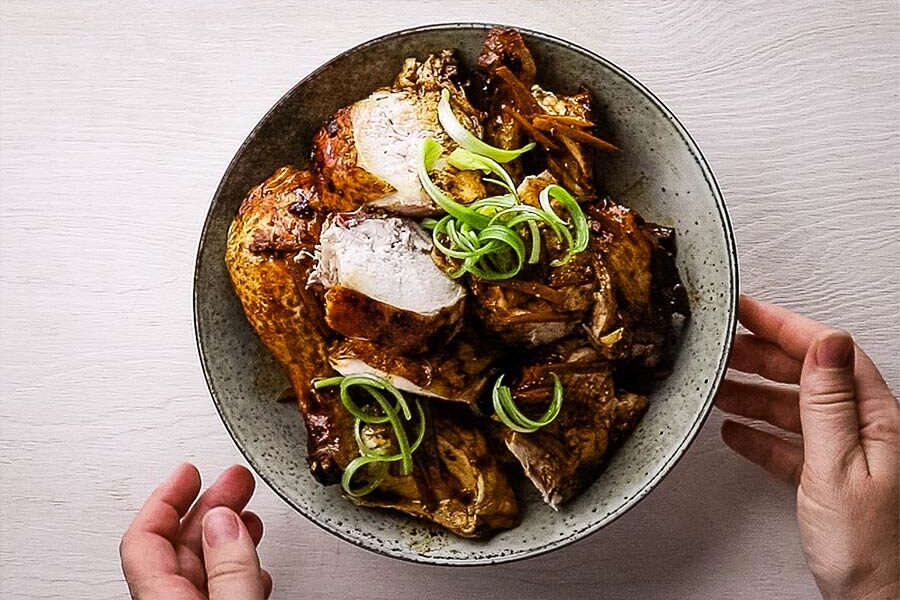



In this guide:
- Learn the exact steam reheating method that keeps food moist and prevents the dryness you get from microwaving or ovens.
- Follow step-by-step instructions to steam reheat any type of food safely and evenly.
- Master pro tips that help you avoid common mistakes and get restaurant-quality results every time.
If you’ve ever bitten into microwaved leftovers and found them rubbery, dry, or oddly soggy in one spot and tough in another, you already know why steam reheating has such a loyal following.
Reheating with steam adds back the moisture that heat drives out of food, so last night’s chicken, pasta, or broccoli comes out tasting close to freshly cooked. Whether you own a combi steam oven or just a saucepan and a steamer basket, this guide walks through how to do it, food by food, plus how to fix it when something goes wrong.
What Is Steam Reheating? (How to Steam Reheat Food, in Short)
Steam reheating uses moist heat, from a steam oven or a stovetop steamer, to warm food gently and evenly while keeping its natural moisture locked in. Instead of blasting food with dry, high heat (a conventional oven) or uneven microwave radiation, steam surrounds the food at a lower, more controlled temperature. This means proteins don’t seize up and starches don’t dry out or turn rubbery.
The short version: place your food in a heatproof, non-plastic dish and put it in your steam oven (or set up a stovetop steamer). Heat at a moderate temperature (generally 250-320°F/120–160°C for most everyday leftovers, and check for doneness after 10–15 minutes.
Steam Reheating vs. Microwave vs. Traditional Oven: Which Gives the Best Results?
Before we get into method, it’s worth understanding why steam wins for a lot of leftovers. Here’s how the three most common reheating methods stack up on moisture, texture, evenness, and speed.
| Steam / Combi Steam Oven | Microwave | Traditional Oven | |
|---|---|---|---|
| Moisture retention | Excellent — steam actively replaces lost moisture | Poor — moisture escapes as steam and doesn’t return | Poor — dry heat pulls moisture out |
| Texture | Close to freshly cooked; meat stays tender, rice and pasta stay separate | Often rubbery (proteins) or soggy in spots, dry in others | Can crisp edges but dries out the centre |
| Evenness | Very even — steam surrounds food from all sides | Uneven — hot and cold spots are common | Moderate — depends on dish depth and stirring |
| Speed | Moderate (10–20 minutes) | Fastest (1–5 minutes) | Slowest (20–40+ minutes) |
| Best for | Meat, fish, rice, pasta, vegetables, baked goods, whole meals | Quick single portions where texture matters less | Crispy items you want to re-crisp (pizza, fries) |
The trade-off is time: a microwave is faster, and a conventional oven can re-crisp things a steam oven won’t. But for the majority of everyday leftovers, steam is the clear winner for quality. If you’re weighing up whether a steam oven is worth adding to your kitchen for reasons beyond reheating, my breakdown of what steam ovens are actually good for is a good next read.
One exception worth flagging: crispy, breaded, or fried foods (think fried chicken or leftover fries) don’t do well with pure steam, since the added moisture softens the coating instead of keeping it crisp. For those, a combi setting with some dry heat, or a quick blast in a conventional oven, works better.
What You Need For Steam Reheating
You don’t need much to reheat with steam:
• A steam oven, combi steam oven, or a stovetop steamer (a saucepan with a lid and a steamer basket or insert works fine — more on this below).
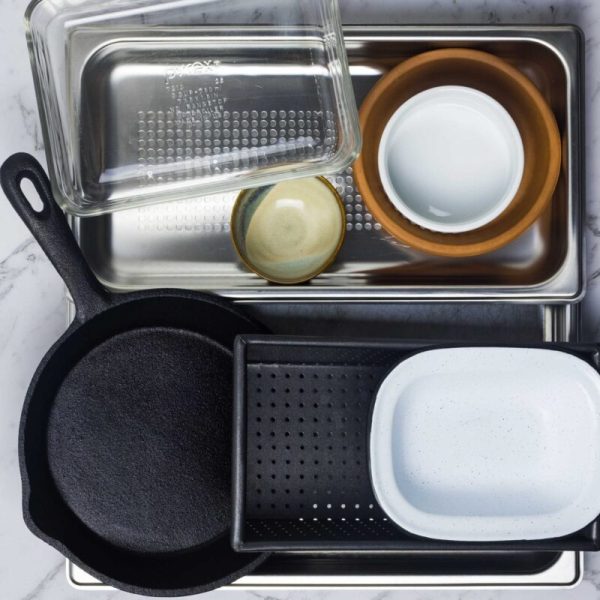
• Non-plastic, heatproof dishes. Glass, ceramic, or stainless steel handle steam heat well; plastic containers can warp or leach into food.
• A shallow layer of food where possible. Thinner layers heat more evenly than one deep, packed dish.
• A meat thermometer is optional, but very handy for large cuts of meat you want to reheat. A thermometer ensures you’re reheating to a safe internal temperature rather than guessing by time alone.
If you’re in the market for new cookware thanks to owning a new steam oven, take a look at my guide to the best cookware for steam ovens. It covers exactly what to buy and what to avoid in terms of dishes, pans and other items that suit steam oven cooking.
How to Steam Reheat Food: Step-by-Step Instructions (Steam Oven Method)
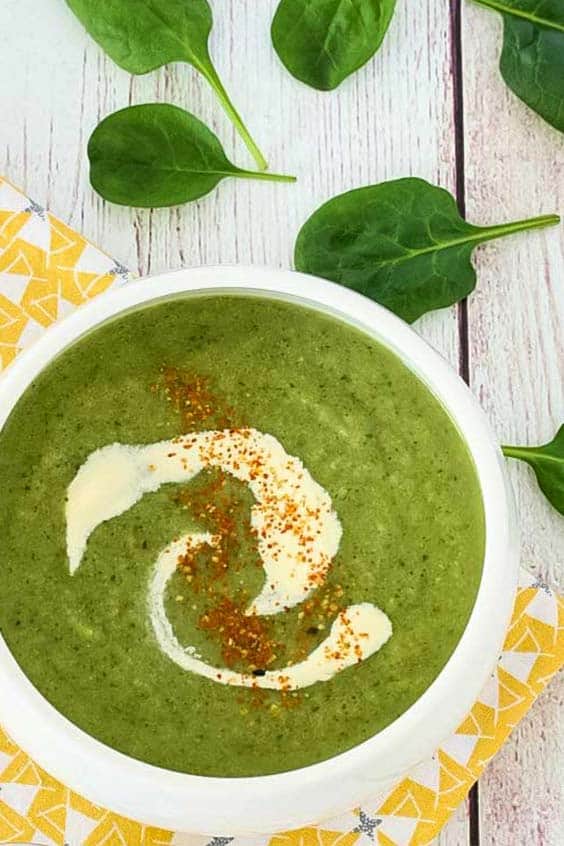
Reheating a Single Plate
1. Arrange the food in a relatively thin, even layer in a heat safe dish. Don’t pile it deeply into a bowl or container.
2. Place the dish in the steam oven from cold. There’s no need to preheat for most leftovers.
3. Set the oven to Combi Steam, 250°F/120°C, 50-80% (medium to high) steam level.
4. Heat for approximately 10 minutes before checking that the center of the food is piping hot.
5. For delicate proteins like fish or thinly sliced meat, use a steam-only setting and drop the temperature to 175°F/80°C. Extend the time to around 20 minutes. This lower, gentler heat prevents overcooking of delicate foods.
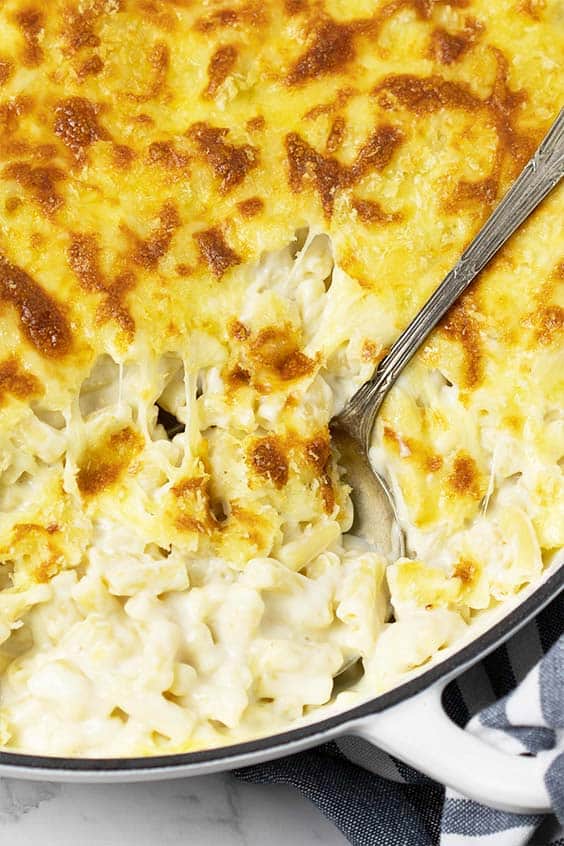
Reheating a Family Meal
6. Separate different components (meat, starch, vegetables) into their own shallow pans rather than one crowded dish. Different foods reheat at different rates, and separating them prevents sauces from making everything soggy.
7. Use the same Combi Steam, 250°F/120°C, 50-80% (medium to high) steam setting as a single plate, extending the time to account for the larger volume. Check food every few minutes rather than guessing.
8. For frozen dishes like lasagne or enchiladas, thaw first if possible, then reheat on Combi Steam, 320°F/160°C, 50% (medium) steam. The higher temperature reheats the dish through more quickly while the steam still keeps it moist.
Reheating Meat & Large Cuts

Large or previously-cooked-to-a-specific-doneness cuts do best with a low-and-slow approach that matches or stays just under the original cooking temperature. This way you warm them through without pushing them past how you originally wanted them cooked:
• Rare or medium-rare steak: 130°F/55°C on full steam (100% humidity).
• Roasted chicken: 165°F/73°C on full steam (100% humidity) — this also happens to be a safe reheating temperature for poultry.
• Roasted meat joints: 195°F/90°C (100% humidity). For joints over 2lb/1kg, cut into smaller portions first , so the centre reaches temperature before the outside overcooks.
How to Steam Reheat Food Without a Steam Oven (Stovetop Method)
Don’t have a steam oven? You can get very similar results with basic stovetop steaming. The principle is identical, you’re just generating and containing the steam manually instead of letting an appliance do it.
1. Set up a steamer. Fill a saucepan with about an inch (2.5cm) of water and fit it with a steamer basket, a metal colander, or a heatproof plate balanced on a trivet or scrunched foil ring. The water shouldn’t touch the basket or colander.
2. Bring the water to a gentle simmer, not a rolling boil. Aggressive boiling can make the steam too intense and cook the outside of your food before the inside warms through.
3. Add your food in a single layer in the steamer basket or on the plate, then cover the pan tightly with a lid to trap the steam.
4. Steam for 5–10 minutes for most leftovers, checking doneness partway through. Delicate foods like fish or rice will need less time; dense items like a meat joint will need longer, or are better suited to your oven or a steam oven if you have one.
5. Check the water level if steaming for more than 10 minutes, an top up with extra hot water so the pan doesn’t run dry.
This stovetop method won’t quite match the even, consistent heat of a steam oven for a full family meal, but for a single plate or a couple of portions, it’s a close second.
How to Steam Reheat Specific Foods
Can You Reheat Steamed Vegetables?
Yes, and steam is actually the best way to do it. Vegetables that were steamed the first time round (or roasted or blanched) tend to dry out and turn rubbery in a microwave, or overcook further in a conventional oven. Reheating them with steam brings back moisture without pushing them past done.
• Spread vegetables in a single layer in a shallow dish or steamer basket.
• Reheat at 210–250°F/100–120°C on full steam (100% humidity) for 3–6 minutes. Leafy or thin vegetables (green beans, broccoli florets, spinach) need only a few minutes; denser vegetables (whole carrots, potatoes, pumpkin) need longer.
• Check early — vegetables go from perfectly reheated to overcooked and mushy quickly.
If you’re reheating a mixed vegetable side, group similarly-sized pieces together rather than reheating a mix of whole and chopped vegetables in the same dish.
How to Reheat Chicken with Steam (Whole, Pieces, or Shredded)
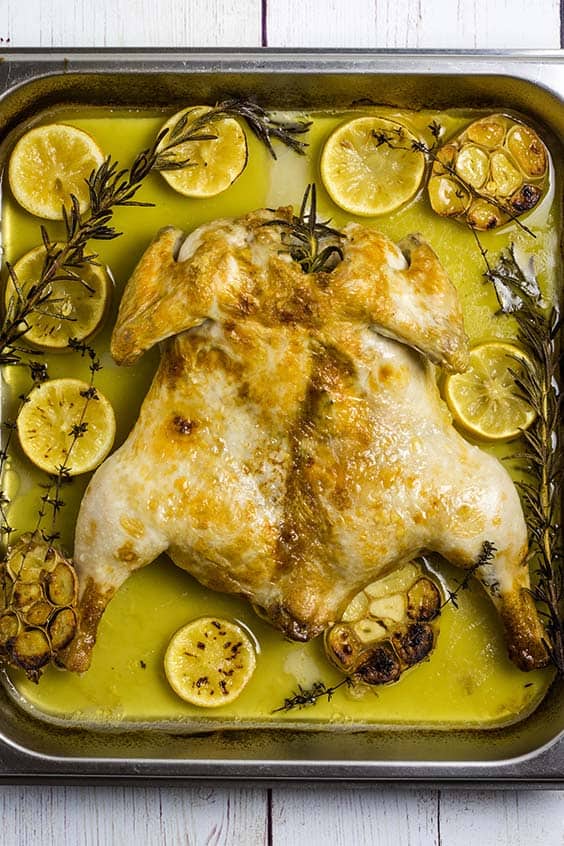
Chicken is one of the foods steam reheating handles best, because it’s exactly the kind of lean protein that dries out fastest under a microwave or a hot oven.
• Whole roast chicken: Reheat at 165°F/73°C on full steam (100% humidity) until the thickest part of the breast reaches a safe internal temperature. For a whole bird, this usually takes 20–30 minutes; check with a meat thermometer rather than going by time alone.
• Chicken pieces or cutlets: Use the same 165°F/73°C full steam setting for roughly 10–15 minutes, depending on thickness.
• Shredded or diced chicken: Spread it in a thin, even layer and reheat using Combi Steam, 250°F/120°C, 50% (medium) humidity for around 5–8 minutes. Because it’s already broken down, diced or shredded chicken heats through fast and can dry out if left too long.
• Breaded or fried chicken: Skip pure steam here, as the added moisture will soften the coating. Use a combi setting with low steam, or finish briefly in a conventional oven to re-crisp the outside while still warming the inside.
Reheating Other Common Foods
• Pasta: Reheat on Combi Steam, 250°F/120°C, 100% (high) steam for 5–8 minutes; add a splash of water or sauce first if it’s dried out in the fridge.
• Rice: Fluff before reheating and use full steam at 212–250°F/100–120°C for 5–8 minutes. Steam is particularly good at rescuing rice that’s gone hard or clumpy.
• Bread and baked goods: A brief 2–3 minute steam at a lower temperature (around 212°F/100°C) revives crust and crumb without drying them out. This is one of the biggest upgrades over a microwave, which turns bread tough almost instantly.
• Fish and seafood: Use a gentle 175°F/80°C full steam setting and check often. Fish overcooks quickly and steam’s precision is especially valuable here.
Common Mistakes When Steam Reheating Food (and How to Fix Them)
Even with the right equipment, a few things trip people up. Here’s how to troubleshoot the most common steam reheating problems.
Food comes out soggy.
This is almost always too much steam, too much time, or too little airflow, often from packing food too deep in one dish. Fix it by spreading food in a thinner, single layer, dialling back to a combi setting (which mixes in some dry heat) instead of full steam, and shortening the time slightly. If a dish already has sauce or moisture in it, a lower humidity combi setting will stop it turning watery.
Food heats unevenly — hot in the middle, cold at the edges (or vice versa).
Uneven heating is usually a spacing or portioning issue rather than a temperature one. Arrange food in a single layer rather than stacked or crowded, group similarly-sized pieces together, and stir or rearrange halfway through longer reheats. If your steam oven has multiple shelf levels, using the center level generally gives the most even results.
Meat turns rubbery or tough.
This means the reheating temperature was too high for the protein, essentially cooking it a second time. Drop to lower, gentler settings and extend the time rather than turning up the heat. Low and slow is the fix for reheated meat specifically.
Vegetables turn mushy.
Vegetables have little structure left after their first cook, so they overcook fast. Reduce time first, temperature second, and always check at the shorter end of the range before adding more time.
Reheated rice or pasta is still dry or clumpy.
Add a small splash of water before reheating — steam works best when there’s a little extra moisture to work with, especially for starches that have dried out in the fridge overnight.
Pro Tips for Better Steam Reheating Results
Always start from a single, even layer. It’s the single biggest factor in getting consistent results, across every food type above.
• Reheat from cold, not room temperature. Steam ovens are designed to heat food safely from the fridge — you don’t need to let food come to room temperature first.
• Use a thermometer for anything you’re unsure about, especially poultry and large cuts, rather than guessing by time.
• Keep a note of what settings worked for your go-to leftovers. Once you’ve dialled in the right temperature and time for your usual meals, reheating stops being guesswork entirely.
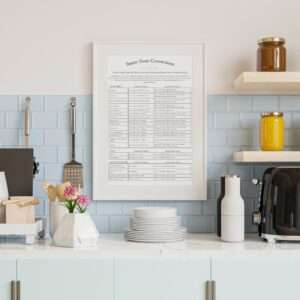
That last tip is exactly why I put together a dedicated reheating guide for Steam Oven Insiders, my membership for people who want to get more out of their steam oven. Members get a more detailed, food-by-food reheating breakdown than I can fit into one blog post, plus a printable chart covering the most common foods and their exact settings — handy to keep stuck to the inside of a cupboard door for quick reference. You’ll find that and much more in the membership, all designed to help you get the most from your steam oven.
Steam Reheating FAQ
Is steam reheating safe?
Yes, as long as food reaches a safe internal temperature of 165°F/73°C for poultry and leftovers generally (per most food safety guidelines). Using a probe or instant read thermometer for larger portions is the most reliable way to confirm.
How long does steam reheating take?
Most single portions take 10–15 minutes; family-sized meals take longer. This is slower than a microwave but faster than a conventional oven, but the quality trade-off is generally worth the extra few minutes.
Can you steam reheat frozen food?
Yes, though thawing first (in the fridge overnight, or briefly in the microwave) gives more even results. If reheating from frozen directly, use a higher temperature and expect a longer cook time.
Does steam reheating work without a steam oven?
Yes, a stovetop steamer basket and a lidded saucepan achieve the same moist-heat effect for single portions or smaller batches. See the stovetop method above.
Can you reheat steamed vegetables more than once?
It’s best avoided. Reheating vegetables repeatedly breaks down their texture further each time. Reheat once, and only the portion you’re about to eat.
Looking for more ways to put your steam oven to work? Browse the full recipe index for ideas beyond reheating.
I hope this article was useful! Please leave a comment below if you have any questions, and take a look around the site and the Steam Oven Insiders membership if you’ve got a steam oven and would like to make better use of it!









13 Responses
Thanks for this (and your many other recipes and tips) Emily. I appreciate knowing how to customise my reheating, rather than just pressing the “auto” steam reheat function.
For your other reader, who was having trouble with printing your tips, I turned mine into a Word document (cut and paste – hope that’s ok) and printed it as I will be referring to it.
Your other recipes I want to try, I save on my phone in my “reading list”, so I can easily find the most recent recipes I want to try.
I tend to use foil; it’s easy to scrunch over a bowl or dish.
What do you recommend covering food with if not plastic…parchment paper or foil?
I’d reheat at a relatively low temperature, perhaps around 250F, with, say, 40-50% steam. I’m not sure how long it’ll take but at a guess I’d give it a half hour or more. Gentle heating will preserve the texture much better than a high heat, high steam blast.
I need to reheat a precooked spiral honey seven pound ham. I have Mielle combo steam convection oven. Ideas?
It depends on what you’re reheating, and sometimes on the oven you use. One of my previous steam ovens did lead to quite a bit of moisture in the dish, especially with high moisture content foods like veggies, but my current main combi oven doesn’t suffer the same problem. If it’s an issue for you, you can either cover the food loosely (if drips from the top of the oven are causing problems), or use a higher heat and/or less steam. Just beware that too hot and too little steam takes away from the benefits of combi steam reheating!
It really depends on what you’re reheating, but no, I don’t find most things get very wet at all. If you steam something to reheat it has the potential to get some moisture in the bottom of the dish, but with combi steam at temps above 100C/212F, short-time reheating stints are pretty good. As I mention in the article, I would avoid reheating very crispy crumbed foods with steam, though.
Sorry you feel frustrated and disappointed by my free content. All my recipes are easily printable via the website, and it’s always an option to print a particular non-recipe post if you refer to the information in it frequently. As a free website, and a mostly one-person, part time operation, I’m sure you can appreciate how labor intensive it is to create, upload and maintain this content, as well as to send regular emails to share extra tips with subscribers. I have a small but expanding range of cookbooks and online resources for purchase, which are great if you prefer printed information! Over the next few months a new cookbook and a new online course for beginner steam oven users will be released. I look forward to your support when they launch!
I wish you would put information like this in print form. I can’t wade through all my emails every time I want to refer to some hints you have given in the past. Very frustrating and disappointing…
Won’t the meat or items get all wet and soggy?
i have tried reheating but there is always a puddle of water on the plate or dish… how do i avoid this please.
Yes, you can definitely reheat pastries and pies, but you’d want to do so at the same or a similar temp as you cooked them at. My recommendation would be something like 180C and a low to medium steam level, so the pastry remains crisp. Because of the higher heat, it’s better to reheat from thawed in this case. Otherwise you run the risk of your pastry drying out before the middle is heated through.
Hi ,
Can you reheat pastries., for example a pie?
Is there a difference in reheating a frozen and thawed pie?
Thankyou