
You are reading a paid Steam Oven Insiders member newsletter. Insiders newsletters drop into your inbox on the 15th and 30th of each month.
Are you a newbie Insider?? You can find all previous newsletter issues when you log in to your Insiders dashboard. They’re a wealth of information!
Hello!
I’d already decided on today’s topic a few weeks ago, because I often get questions around cooking eggs in a steam oven and sometimes they can be a little finicky to get right. Then I saw a few ‘egg posts’ pop up over in my steam oven Facebook group, so it seems like eggs are a timely subject!
Egg cooking is a very broad topic, but they’re a food that’s eaten the world over, so it’s not surprising there are so many ways to cook them.
Rather than a singular recipe to cover steamed eggs, within today’s article you’ll find cooking guidelines for different egg preparations, and a few links to useful recipes or other blog posts I’ve done on eggs before.
Today’s AMA section covers soggy pastry, grains for gut health, replacement ingredients in baking and a little follow up on last issue’s air fryer topic. Lots of great stuff, so let’s get into it.
Happy steam oven (egg) cooking,
Emily x
PS. Goodness me, you people LOVED the Insiders air frying issue! I knew it would be popular but I was especially heartened by your responses, and even more so when a couple of you emailed saying that one single newsletter has paid for your year’s Insiders subscription in saving the cost of another appliance. It was a really fun topic to cover and I’ve got plenty more where that came from!
PPS. Just a heads-up that the next issue of Insiders will arrive on March 1, given there’s no 30th of February.
Topic of Interest: Steaming Eggs in your Steam Oven
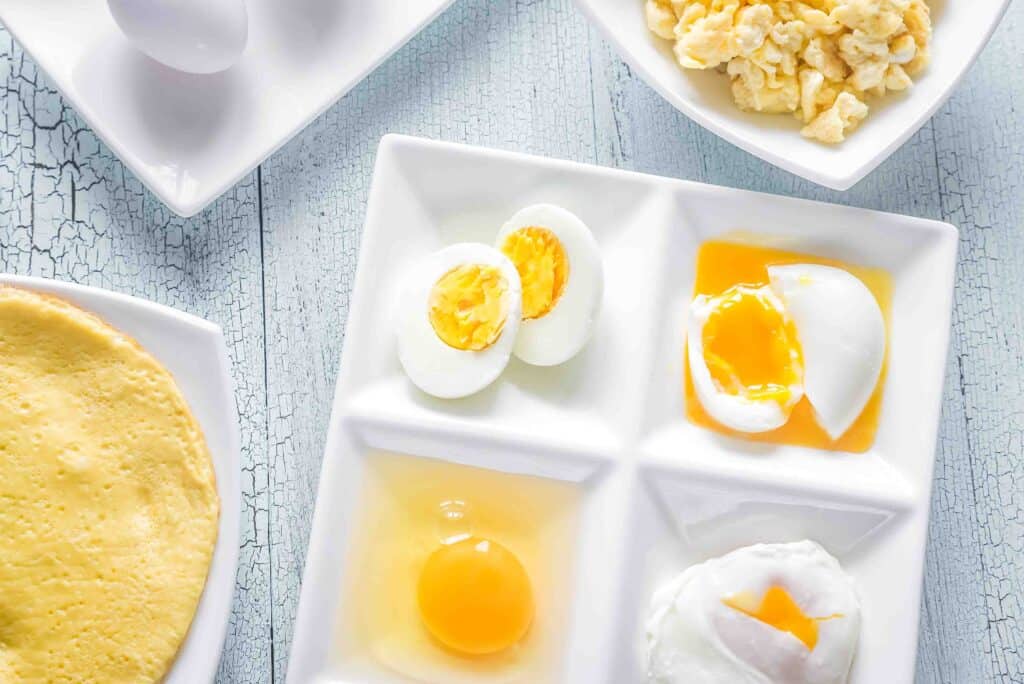
Steaming eggs can yield perfect cooking results with minimal effort. Yet if you’ve ever tried it, you’ll know getting your eggs just right in a steam oven can take a lot of patience.
Between differing opinions on how cooked eggs should be, variances of the eggs themselves, temperatures and your own steam oven’s operation, it can feel like you’re just not ever going to get your egg dishes spot on. Let’s fix that today.
I’ll share my tips for the best temperatures and timings, and the pitfalls or quirks to look out for when you get started with cooking eggs in a steam oven. Then we’ll talk about a few different methods for preparing steamed eggs.
The Season Flip
Eggs! They’re a year-round thing no matter where you are, but here are a couple of dishes which I find more reflective of the seasons.

Southern Hemisphere
Salads are great for warm weather, but I often find they aren’t hearty enough to satisfy the hungrier members of my family. Chicken Caesar fits the bill, with a double protein hit from sous vide or poached chicken, and boiled (steamed!) eggs.
Caesar salad has a few moving parts but most can be prepared ahead of time, and it’s a very simple assembly job once you have everything you need.
Northern Hemisphere
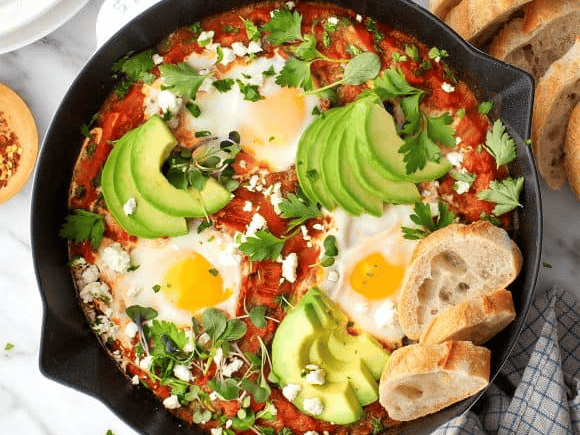
I’m aware that shakshuka is a meal that’s eaten all year round in a part of the world that gets very warm, yet I always think of it as something perfect for cold weather.
Classically a breakfast dish, it’s also a great weeknight staple or weekend brunch, and can be tweaked to suit all sorts of palates or to include extra vegetables. It’s not strictly steamed eggs, but I make this using a combi steam setting and it comes out SO well.
To convert the linked recipe, use the stovetop directions but put the pan into your oven for the steps, preheated to Combi Steam, 400°F/200°C, 60% steam. The timings will be pretty similar to the ones given.
A Thing I'm Loving
This is one for my Aussie Insiders, as the company doesn’t yet ship internationally (though apparently they’re working on it).
I have never been a big drinker, and even less as the years roll by. Many alcoholic drinks set off my migraines, and I’ve learned to be VERY careful about my consumption. Consequently, I’m thrilled about the trend towards genuinely good, well-considered non-alcoholic drinks over the past few years!
My new favourite fancy-but-no-alcohol treats come from Altina Drinks, a small Australian business who make very lovely drinks that resemble a great glass of wine without the booze.
So far the sparkling rosé is my favourite, but honestly I haven’t found one I don’t like from the mixed case I ordered. Many of the mixed selections are on sale at the time of writing; if you are alcohol free or no-alc-curious I definitely recommend giving them a try.
Ask Me Anything (AMA)
Here’s your opportunity to ask me anything you like related to combi steam cooking!
I really encourage you to submit questions, and will do my best to answer as many as possible. Though I may not be able to get to every single question, I will carefully curate ones which are relevant and represent a variety of topics. We all learn from each other, and I often learn new things based on questions from all of you!
If you have an AMA question, please email it to [email protected]. Make sure you include the phrase INSIDERS AMA in the subject line so I can collate and read all your submissions.
From Clair
Q: I am trying to follow a ‘gut-healthy’ diet and eating more wholegrains such as barley, spelt, buckwheat and freekeh. So far for some of them I’ve been buying them ready-cooked in pouches. Are you able to advise on how to cook a variety of wholegrains and any recipe suggestions, including grains that can be cooked in advance and stored in the freezer.
I’m also trying some of the cake/dessert recipes from Meghan Rossi https://www.theguthealthdoctor.com/recipes and applying the principles to some of my own recipes eg replacing white flour with wholemeal or spelt, replacing sugar with date puree etc. It tends to make a denser end product and wondered if cooking using steam may be beneficial for the texture of these type of products.
A: I’ll address this in two parts for the two questions:
First, the wholegrains. You can definitely skip the ready-cooked pouches, at least some of the time (I know they’re convenient!). All the wholegrains you’ve mentioned in your question can be cooked similarly to rice in your steam oven.
I tend to treat them more like brown rice than white in terms of liquid ratio. So not too much water in the pan – 1:1 or 1:1.25 is often enough).
Cooking times will vary somewhat depending on the grain itself and how old it is. I’d start with 20-25 minutes steaming time, then check; harder/drier grains may need up to 40-45 minutes.
In terms of freezing, you can immediately chill, then freeze the cooked grains in portions. Seal well; a zip lock bag with all the air squeezed out, or a vacuum sealed bag, will result in the least amount of freezer burn. Be aware that for many cooked grains the texture can turn a little mushy after freezing and thawing, so I tend to use them in soups and stews but not as much in salads where they’re a star ingredient.
Right, onto the cakes and desserts. This is a broad topic and each recipe can be different.
In this context, where you’re baking things which are made denser by those ingredient swaps, you may find the steam oven actually increases their density rather than lightening them.
Very heavy cake batters, especially ones with wholegrains that just love to take on lots of water, sometimes end up a little stodgy with added steam because those ingredients don’t dry out and have a chance to form a crumb structure in the way a ‘regular’ cake does. Instead, they keep any moisture that’s there and while they’ll never be dry, they will be heavy.
From Kerry
Q: Do you spray the air fryer tray to help in cleaning.
Also how will I cook crab cakes in a Vzug steam oven.
I appreciated your last insider’s news re steam ovens vs air fryers.
A: I’m glad you enjoyed the air fryer issue, I had a lot of fun writing it!
I will spray my air fryer tray if I’m putting in a food that’s not already coated in oil or butter, but for things like tater tots which are already pretty greasy, I don’t bother.
Crab cakes would actually be a great contender for the air fryer tray, I think! Definitely spray the tray, and if you’re worried that they’re too delicate, you could put the crab cakes on a small piece of parchment/baking paper (just big enough for the footprint of the cakes, you still want the air to get around them as much as possible). My inclination would be to go hot and fast (at least 400°F/200°C), and use a humid rather than a steam setting. As long as they aren’t monster-sized cakes they’ll easily be hot through when the crumbs are brown.
From Linnea
Q: I’m a newbie to steam ovens but keen to use our new purchase as much as possible. So I tried pastry (bought flaky) but, while it looked fab on top, it was still gluggy underneath. I’ve done the same dish in the regular many times, just thought I’d see how it went in a steam one after finding tips on pastry cooking with steam. Any suggestions on how to improve pastry?
A: Yes, a few tips!
First is that although flaky/puff pastry loves combi steam, it doesn’t love combi steam and a thick or very wet filling. If you’re making something where you’re adding juicy fruit, custard or another heavy, moist layer of food on top of your pastry, it will struggle to puff and flake where that food is. Par-baking the pastry first can help if you really want to do that type of dish.
If you’re putting flaky pastry on top of a dish, like a pot pie or an upside down tart, make sure to cut an air vent in the pastry before it goes into the oven. The very thing that makes the pastry amazing – steam – is also the thing that will not see the water in your filling evaporate and dry out as it would in a regular oven. When the filling has no way to vent it concentrates that effect and you get pastry that’s golden and beautiful on top but kind of gluggy underneath.
Finally, I have noticed a product change in the past couple of years with some pastry items. Some brands of store-bought puff pastry where I am have increased the water content and decreased the fat content of their products, or they’re using less (or no) butter and more inferior fats like shortening or oil. They don’t tell consumers about this but if you’re a details person it’s noticeable and really disappointing! And it certainly changes the way the pastry behaves when you add steam to it. More than ever before, buying a ‘good brand’ will be much more likely to give you lovely results than a supermarket staple brand.